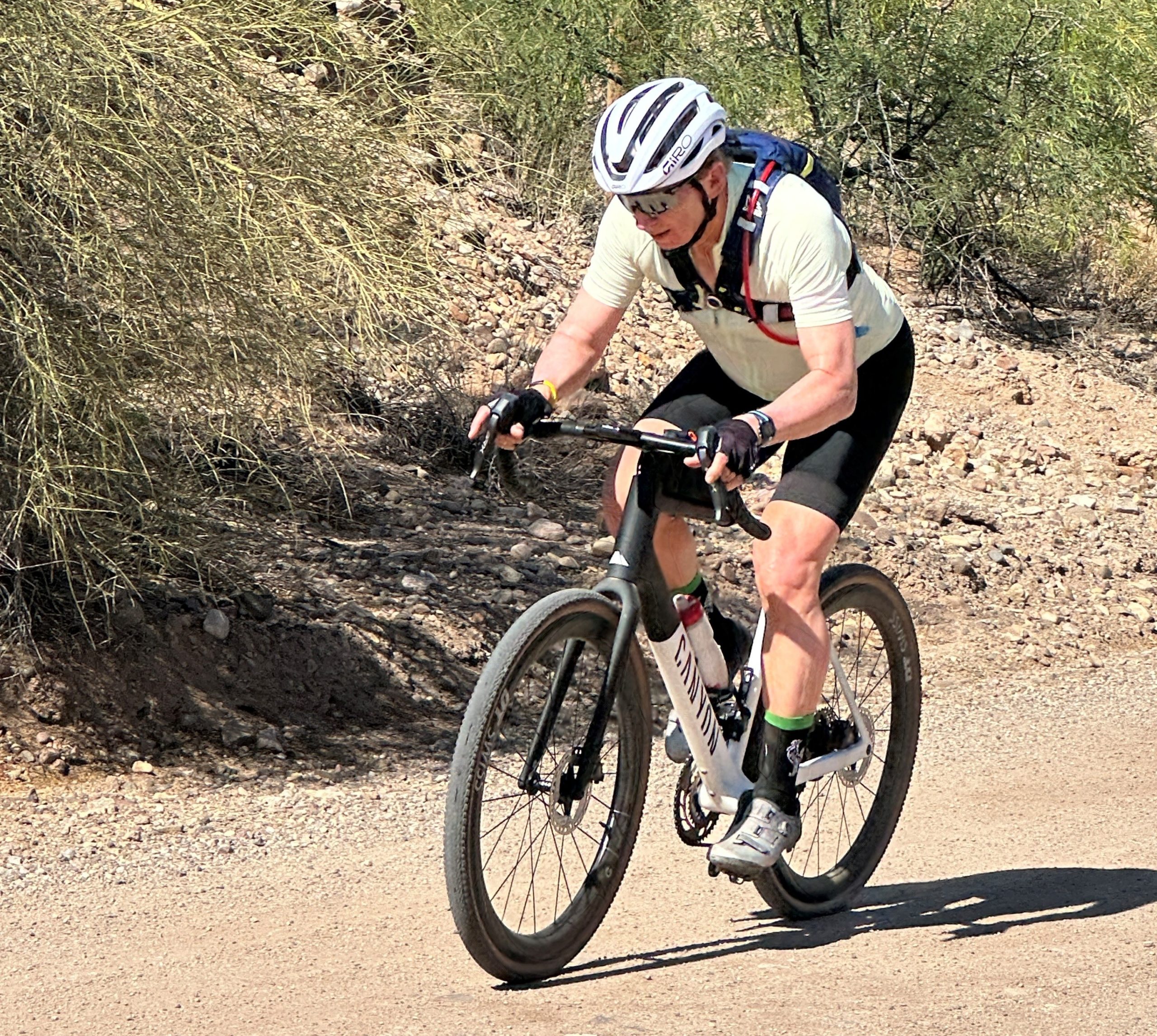
Unbound Gravel 2026
What is Unbound Gravel?
Unbound Gravel is one of the most well-known endurance gravel races in the world, held in Emporia, Kansas. It’s a demanding event that combines long mileage, rough terrain, changing weather, and a strong mental component. There are multiple races within the race ranging from an ultra endurance 350 miles to the core 200 miles and 108 miles races as well as introductory distances of 25 and 50 miles. For a lot of riders, it’s as much about resilience and preparation as it is about speed.
What motivated you to participate in the race?
What motivated me was the challenge. Unbound is known for demanding much more than physical fitness; it tests patience, discipline, resolve, and mental strength over the course of a very long day. With a background in road and mountain bike racing, and a love of off-road desert motorcycle riding and racing, I’ve always been drawn to events that combine endurance, terrain, and resilience. Unbound stood out as a race that embodies all of that, and I was motivated by the opportunity to prepare for something genuinely difficult and meaningful.
How are you preparing for the race?
I’ve been preparing through a structured, phased training plan designed to build steadily toward a peak for race day. During the week, that includes targeted interval and endurance work, as well as core and strength training three times a week. On the weekends, I’ve been doing long endurance rides that have reached as much as seven hours. I’ve also followed a very disciplined nutrition and hydration plan throughout training, because an event like Unbound is not just about fitness. It’s about fueling well, recovering properly, pacing intelligently, and being ready to handle a long and demanding day.
What is the most challenging part of your training?
The most challenging part has been balancing fatigue, consistency, and recovery over the course of a long training cycle. Midway through my preparation, I had an off-road wreck that resulted in a Grade 3 clavicle separation in my right shoulder, which created an unexpected setback. I was able to return to indoor training within about three weeks, then back outdoors after roughly six weeks, followed by a month-long resynchronization plan that included physical therapy. I was back on plan within two months, but that was a unique challenge. It required patience, discipline, and a careful approach to rebuilding while staying committed to the larger goal.
What is your personal goal?
My personal goal is to arrive at the start line well prepared, ride intelligently, and finish strong. Of course I want to perform well, but the biggest goal is to do the event the right way: stay steady, manage the day well, and complete something that demands a lot of focus and commitment.